


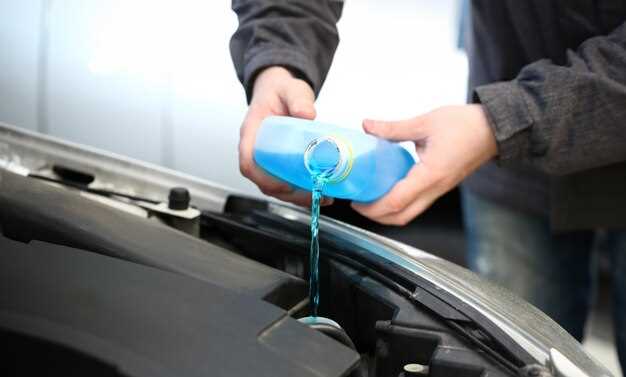
When it comes to maintaining your BMW, ensuring that your engine operates efficiently is crucial. One of the key components in achieving optimal engine performance is selecting the right coolant. This specialized fluid not only regulates engine temperature but also protects vital components from corrosion and wear.
BMW vehicles require a specific type of coolant that meets their engineering standards. The right coolant will help maintain your engine’s performance, longevity, and overall reliability. Choosing an incompatible coolant can lead to overheating, corrosion, and ultimately costly repairs, making the selection process all the more critical.
Understanding the different types of coolants available on the market, such as ethylene glycol-based options and BMW’s proprietary formulations, is essential for any BMW owner. By familiarizing yourself with the specifications and recommendations from the manufacturer, you can make an informed decision that will keep your engine running smoothly for years to come.
Understanding BMW Coolant Specifications and Requirements
When selecting the best coolant for your BMW, it’s essential to understand the specific requirements and specifications tailored for its engines. BMW vehicles require a coolant that not only prevents overheating but also protects various engine components from corrosion and deposits.
There are several key specifications that BMW coolants must meet:
- Type: BMW coolant is typically based on ethylene glycol or propylene glycol, formulated to provide superior thermal protection and freezing resistance. Look for coolants that are specifically labeled as BMW-approved.
- pH level: The pH level of the coolant must be maintained within a specific range (usually between 7.5 and 11.5) to prevent corrosion.
- Corrosion inhibitors: High-quality coolants include corrosion inhibitors that protect aluminum, steel, and other materials commonly used in BMW engines.
- Mixing ratios: Many BMW engines require a 50/50 mix of coolant and distilled water for optimal performance. However, this can vary based on climate conditions.
Using the right type of coolant is crucial for maintaining engine efficiency and longevity. Always refer to your owner’s manual or consult with a qualified technician to ensure you select the suitable coolant that meets BMW’s specifications.
Identifying Compatible Coolant Types for Different BMW Engines
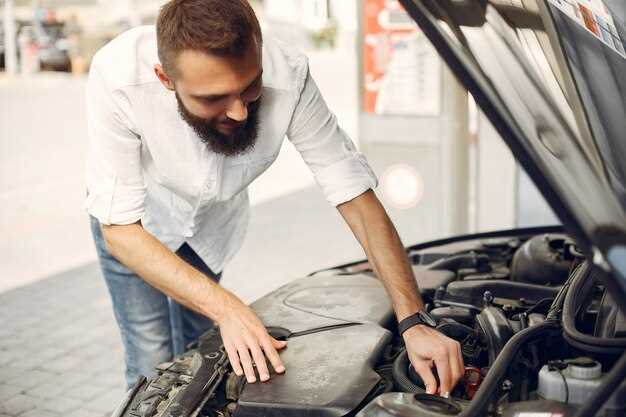
Choosing the right coolant for your BMW engine is essential for optimal performance and longevity. Different BMW engines require specific types of coolant, and identifying the correct type can prevent overheating and corrosion. Most BMWs utilize either ethylene glycol or propylene glycol-based coolants, which offer excellent thermal conductivity and protection against freezing.
The compatibility of the coolant type is influenced by the engine design and materials used in the cooling system. For example, BMWs manufactured since the early 2000s often use the Lifeguard coolant, which is specifically formulated for their engines. This coolant type contains additives that enhance its performance and protect the engine components from wear and damage.
Older BMW engines may require different coolant types, so it is crucial to consult the owner’s manual or a reliable dealership to determine the appropriate coolant for your specific model. Mixing coolant types can lead to chemical reactions that reduce effectiveness and potentially harm the engine.
In summary, understanding the engine type and the specific requirements for coolant can significantly affect the performance and reliability of your BMW. Always select coolant that is recommended for your engine to ensure optimal functioning and prevent costly repairs.
How to Properly Fill and Maintain BMW Coolant Levels
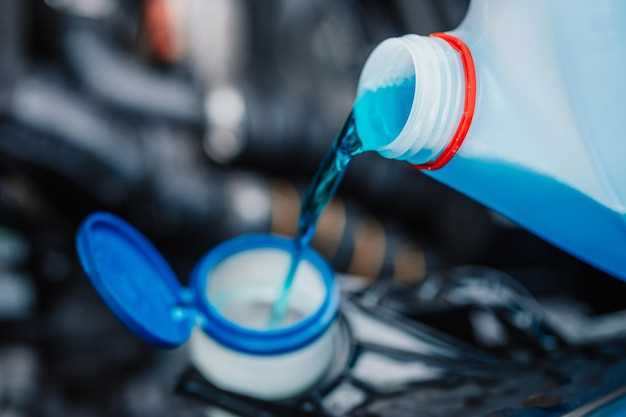
Maintaining the correct coolant level is essential for the optimal performance of your BMW. Proper coolant ensures efficient engine temperature regulation, preventing overheating and engine damage. Here’s how to fill and maintain the coolant levels in your BMW.
First, identify the type of coolant recommended for your BMW model. Consult your owner’s manual to find the specific coolant type, as different models may require different formulations. Most BMWs use a hybrid organic acid technology (HOAT) coolant, which provides excellent protection against corrosion and cavitation.
Before filling the coolant, ensure the engine is cool. Removing the coolant cap while the engine is hot can result in serious burns. Locate the coolant reservoir and inspect the current level. It generally has “MIN” and “MAX” markings for reference. If the level is below the “MIN” mark, it is necessary to add fluid.
To fill the coolant, use a funnel to avoid spills. Pour the suitable coolant slowly into the reservoir until it reaches the “MAX” level. If your BMW requires a mixture of coolant and distilled water, ensure you follow the correct ratio, typically 50/50, unless specified otherwise.
After filling, securely replace the coolant cap to ensure a tight seal. Start the engine and let it run for a few minutes, then check the coolant level again once the engine has cooled down. This will allow air pockets to escape, ensuring an accurate reading.
Regularly checking and maintaining coolant levels is vital. It is recommended to inspect levels at least once a month or before long trips. Additionally, look for any signs of leaks under the car or around the engine bay, as coolant loss can indicate underlying issues that need attention.
By utilizing the right type of coolant and following these steps, you can effectively manage the coolant levels in your BMW, contributing to its longevity and performance.

