



The exhaust manifold is a critical component in the BMW engine system, responsible for directing exhaust gases away from the engine cylinders. When issues arise within the exhaust manifold, they can lead to significant performance problems and increased emissions. Understanding the common problems associated with BMW exhaust manifolds is essential for any car owner or enthusiast aiming to maintain their vehicle’s efficiency and longevity.
Common issues with BMW exhaust manifolds often include cracks, leaks, and blockages. These problems can result in a range of symptoms, such as a noticeable decrease in engine performance, unusual noises, and the illumination of warning lights on the dashboard. Addressing these problems promptly is crucial to prevent further damage to the engine and surrounding components.
Fortunately, solutions are available for resolving exhaust manifold issues in BMW vehicles. From professional inspections and repairs to DIY fixes for minor problems, taking proactive measures can help restore optimal performance and efficiency. In this article, we will explore the most prevalent BMW exhaust manifold issues, their causes, and the most effective solutions to ensure your vehicle runs smoothly.
Common Symptoms of Exhaust Manifold Failures in BMW Models
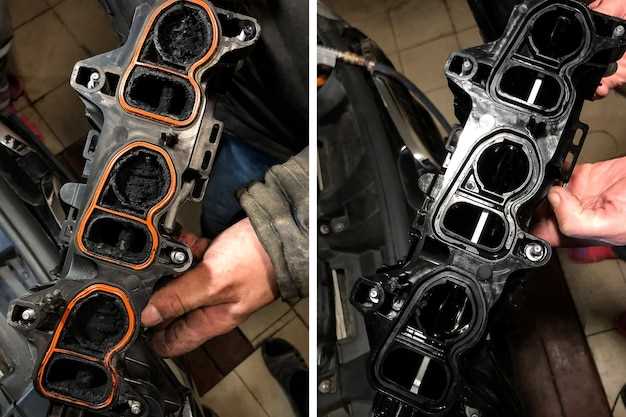
Exhaust manifold failures in BMW vehicles can lead to a series of noticeable issues that may affect performance and overall driving experience. Understanding these symptoms can help drivers identify problems early and seek appropriate solutions.
One of the most common symptoms is an audible leak or hissing noise coming from the engine bay. This sound often occurs due to cracked or broken exhaust manifolds, which allow exhaust gases to escape before they reach the catalytic converter. Drivers may also notice a decrease in engine performance, characterized by reduced acceleration and power, as exhaust flow becomes obstructed.
Additionally, a strong smell of exhaust fumes inside or around the vehicle can signal a manifold issue. This may indicate that exhaust gases are leaking into the engine compartment or cabin, posing safety risks and requiring immediate attention.
Another significant symptom is an increase in engine temperature. A compromised exhaust manifold can disrupt the engine’s thermal efficiency, leading to overheating and potential damage if not addressed promptly. Furthermore, the check engine light may illuminate on the dashboard, triggering a diagnostic trouble code related to exhaust system performance.
Lastly, poor fuel efficiency may arise due to improper exhaust flow and combustion. If the exhaust manifold is not functioning correctly, the engine may consume more fuel than usual, which can lead to increased operating costs over time.
In summary, common symptoms of exhaust manifold failures in BMW models include unusual noises, decreased performance, exhaust smells, overheating, and poor fuel efficiency. Recognizing these signs can assist BMW owners in addressing issues before they escalate.
Step-by-Step Guide to Diagnosing BMW Exhaust Manifold Problems
Diagnosing BMW exhaust manifold issues requires a systematic approach. Follow these steps to identify and resolve potential problems.
Step 1: Visual Inspection
Start by conducting a visual inspection of the exhaust manifold. Look for signs of cracks, rust, or excessive wear. Pay attention to exhaust leaks, which may manifest as a hissing sound or a noticeable loss of power while driving.
Step 2: Check for Engine Codes
Use an OBD-II scanner to check for any diagnostic trouble codes (DTCs) related to the exhaust system. Codes such as P0420 or P0430 can indicate issues with the catalytic converter, potentially linked to exhaust manifold problems.
Step 3: Inspect Exhaust Gaskets
Evaluate the exhaust manifold gaskets for signs of deterioration or improper sealing. Worn or damaged gaskets can lead to exhaust leaks and should be replaced promptly to prevent further engine issues.
Step 4: Listen for Unusual Noises
While the engine is running, listen closely for unusual noises, such as rattling or tapping sounds. These noises could indicate a loose or damaged exhaust manifold, requiring further investigation.
Step 5: Perform a Smoke Test
A smoke test can effectively pinpoint exhaust leaks. Introduce smoke into the exhaust system and observe for any visible signs of smoke escaping from the manifold or connections, which signals a leakage issue.
Step 6: Check Exhaust Flow
Evaluate the exhaust flow using a vacuum gauge. Low readings can indicate a blockage or restriction in the exhaust system caused by a failing manifold or other components.
Step 7: Consult Professional Assistance
If you are unable to diagnose the issue after following these steps, consider seeking assistance from a professional mechanic. They possess advanced tools and expertise to identify complex exhaust manifold issues that may not be apparent during a standard inspection.
By following this guide, you can effectively diagnose BMW exhaust manifold problems and take the necessary steps toward resolution.
Repair Methods and Replacement Options for BMW Exhaust Manifolds
Exhaust manifold issues in BMW vehicles can lead to significant performance problems and increased emissions. Proper identification of the problem is the first step towards effective repair or replacement. Common symptoms of exhaust manifold failure include loud noises, visible cracks, and a decrease in engine efficiency.
For minor issues such as cracks or leaks, a repair may involve the use of high-temperature sealants or exhaust tape. These solutions can provide a temporary fix, particularly in older models where the manifold is prone to wear. However, such methods should not be considered permanent, and monitoring is essential to ensure no further deterioration occurs.
In cases of severe damage, replacing the exhaust manifold is the most viable option. When selecting a replacement, BMW owners have several choices available. OEM (Original Equipment Manufacturer) parts offer the assurance of quality and compatibility, making them a popular choice for those seeking reliability. Aftermarket options also exist, which can provide cost savings but may vary in quality. It is crucial to choose reputable brands that provide warranties and have positive reviews from other BMW owners.
When embarking on a replacement, it is recommended to have the procedure performed by a qualified mechanic, especially considering the complexity of the exhaust system in many BMW models. Proper installation is critical to avoid future leaks or misalignment, which can lead to further complications. Maintaining regular inspections and addressing issues early can greatly extend the lifespan of the exhaust manifold.


