


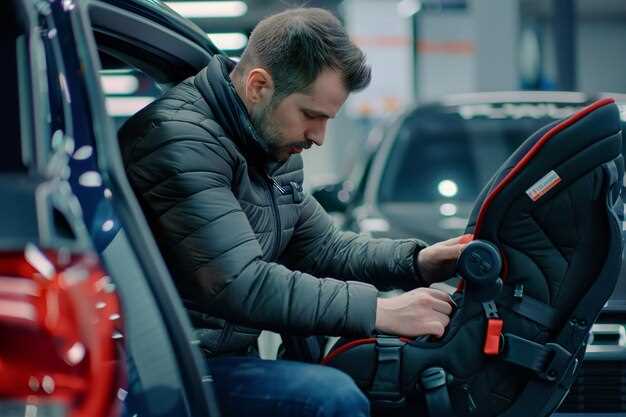
The seat adjustment mechanism in your BMW is crucial for ensuring a comfortable and safe driving experience. When faced with seat adjustment issues, it can lead to significant discomfort and even distractions on the road. Understanding the common problems and how to fix them is essential for any BMW owner who values both their vehicle and their driving experience.
One of the most frequent challenges encountered involves the electric seat adjustment functionality. Over time, the motors or switches might malfunction, causing frustration when attempting to achieve the desired seating position. In such cases, diagnosing the exact issue becomes necessary, whether it involves inspecting wiring connections or checking the integrity of the adjustment switches.
In addition to electrical problems, mechanical issues can also arise. For instance, the manual adjustment levers may become stuck or unresponsive due to wear and tear or foreign objects obstructing the mechanism. Learning how to fix these kinds of problems not only saves time and money but also enhances your overall driving experience.
In this article, we will explore various seat adjustment issues specific to BMW vehicles and provide practical solutions to help you efficiently address and fix these problems. With the right approach, you can restore your BMW’s seat functionality and ensure optimal comfort while on the road.
Identifying Common Problems with BMW Seat Adjustments
Understanding seat adjustment issues in BMW vehicles can help you maintain comfort and safety while driving. Here are some common problems enthusiasts and owners may encounter:
- Unresponsive Seat Controls: Sometimes, the buttons or switches may fail to respond. This may indicate a faulty switch or an electrical issue within the seat adjustment system.
- Incomplete Adjustment: If the seat moves only partially, it may be due to a jammed mechanism or a problem with the motor. Inspecting the adjustment tracks can often reveal blockages or dirt accumulation.
- Seat Stuck in One Position: A seat may become stuck and refuse to adjust forward, backward, or recline. This could be due to a mechanical failure or wiring issue, often requiring professional diagnosis for repairs.
- Noisy Adjustments: Unusual sounds during seat adjustments can signal wear or damage within the adjustment mechanism. Addressing these issues early can prevent further damage and ensure smoother operation.
- Uneven Seat Height: If the seat does not adjust evenly, it may indicate a problem with the height adjustment mechanism. Checking the bracket and support framework can sometimes highlight issues affecting balance.
Regularly inspecting and maintaining your BMW’s seat adjustment system can help you identify these problems early and fix them effectively, ensuring a comfortable driving experience.
Step-by-Step Guide to Troubleshooting BMW Seat Mechanisms
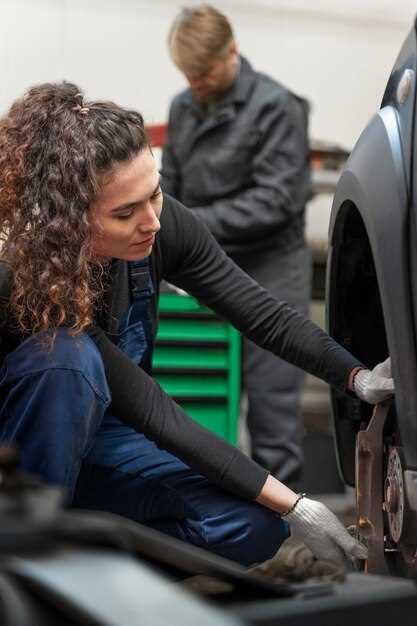
When dealing with seat adjustment issues in your BMW, it’s essential to approach the problem methodically. Follow this step-by-step guide to identify and fix any issues with your seat mechanisms.
Step 1: Assess the Problem
Begin by determining what exactly isn’t working. Is the seat stuck in one position, or is it not moving at all? Understanding the specific issue is crucial for an effective fix.
Step 2: Inspect the Fuse
Check the fuse related to the seat adjustment mechanism. A blown fuse can stop your seat from moving. Refer to your owner’s manual for the exact location and specifications of the fuse. Replace it if necessary.
Step 3: Check the Power Supply
Using a multimeter, test if power is reaching the seat adjustment motor. If there’s no power, trace back to the wiring harness for any visible issues such as frayed wires or loose connections.
Step 4: Test the Switches
The seat adjustment switches can also fail. Remove the switch panel and use a multimeter to test for continuity. If a switch is faulty, it will need to be replaced to restore functionality.
Step 5: Examine the Seat Mechanism
If power and switches are working fine, the issue may lie within the seat mechanism itself. Inspect for any obstructions, such as debris or clothing caught in the mechanisms, which could prevent movement.
Step 6: Lubricate Moving Parts
Use a suitable lubricant to facilitate smooth movement of the seat adjustment components. Lack of lubrication can often cause mechanical failure, so it’s advisable to routinely check and maintain this aspect.
Step 7: Reset the Seat Memory (if applicable)
If your BMW seat has memory settings, try resetting them. Sometimes, a simple reset can resolve adjustment issues. Refer to your manual for specific instructions on how to perform a reset.
Step 8: Seek Professional Help
If all else fails and the seat is still unresponsive, consider taking your BMW to a certified mechanic. They will have the tools and expertise necessary to tackle more complex issues related to seat adjustments.
By following this guide, you can effectively troubleshoot and fix almost any seat adjustment issue in your BMW, ensuring a more comfortable driving experience.
When to Seek Professional Help for BMW Seat Adjustments
If you are experiencing difficulties with your BMW seat adjustments, it is essential to identify when to seek professional help. While minor issues can often be fixed with simple troubleshooting, persistent or complex problems require expert intervention.
One clear indication that you should consult a professional is when the seat adjustment mechanism becomes unresponsive or stuck. If repeated attempts to fix the seat do not resolve the issue, it may signify a malfunctioning motor or electrical component that necessitates expert diagnosis.
Another scenario prompting professional help involves unusual noises when attempting to adjust the seat. Grinding or clicking sounds often indicate mechanical problems that, if left unattended, could lead to further damage. These symptoms should not be ignored, as they can compromise safety and functionality.
If you notice any physical damage to the seat tracks or adjustment levers, it is advisable to seek assistance. Broken components can prevent safe operation and might require replacement parts that are best sourced and installed by a professional.
Finally, if seat adjustments are resulting in discomfort or incorrect positioning that affects your driving experience, professional evaluation can help determine the root cause. An expert can provide guidance on how to fix alignment or support issues to enhance your comfort and safety on the road.


