


When it comes to driving a BMW, one of the most significant decisions a driver faces is the choice between automatic and manual transmissions. Each type of transmission offers distinct advantages and disadvantages, which can greatly influence the overall driving experience. Understanding these pros and cons is essential for making an informed decision that aligns with personal preferences and driving style.
Automatic transmissions are known for their convenience and ease of use. They allow drivers to focus on the road without the need to constantly shift gears. This can be especially beneficial in urban environments where stop-and-go traffic is common. Furthermore, advancements in automatic transmission technology have led to improved performance and fuel efficiency, making them an attractive option for many BMW enthusiasts.
On the other hand, manual transmissions provide a level of control and engagement that many driving purists cherish. For those who appreciate the art of driving, a manual gearbox can enhance the overall experience by allowing for precise gear shifts and better connection with the vehicle. However, this type of transmission requires more skill and attention, which may not appeal to everyone.
In this article, we will explore the various pros and cons of both automatic and manual transmissions in BMW vehicles. By examining the features and performance aspects of each option, we aim to help potential buyers and current owners make an informed choice that best suits their driving needs.
Durability and Maintenance: Comparing Manual and Automatic Systems
When evaluating the durability and maintenance of manual and automatic transmissions, several factors come into play. Manual transmissions are often seen as more durable due to their simpler construction and fewer electronic components. This simplicity allows for easier repairs and generally lower maintenance costs over time. Manual systems tend to endure heavy driving conditions well, as they are less likely to overheat during aggressive driving, making them a favorite among enthusiasts.
However, proper maintenance is essential for both types of transmissions. Manual systems require regular fluid changes, but these intervals are typically longer than those for automatic systems. This may lead to perceived lower maintenance needs over time. Moreover, clutch wear is a crucial maintenance factor; if not managed, it can result in costly repairs.
On the other hand, automatic transmissions incorporate more advanced technology, which can enhance driver comfort but may lead to more complex maintenance requirements. They often necessitate more frequent fluid changes and require specialized diagnostic tools for repairs. The reliance on hydraulic systems and electronics can result in higher repair costs if they fail.
In summary, while manual transmissions often present superior durability and simpler maintenance processes, automatic transmissions can offer enhanced functionality at the expense of potential long-term upkeep challenges. Ultimately, the choice between the two should factor in personal driving style, comfort preferences, and willingness to manage maintenance tasks.
Driving Experience: Comfort and Control in BMW Transmissions
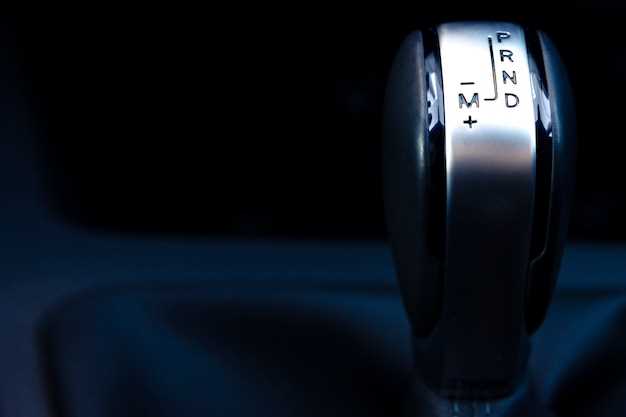
When it comes to driving a BMW, the choice between automatic and manual transmission significantly influences the overall experience. Each type offers distinct characteristics that cater to different preferences and driving styles.
Manual transmissions provide a unique sense of control over the vehicle. Enthusiasts appreciate the direct engagement with the car through the clutch pedal and gear stick, allowing for precise shifts and a more involved driving experience. This level of interaction can enhance the connection between the driver and the road, providing feedback that many automatic systems may not replicate. For those who thrive on performance driving, manual transmission offers the ability to optimize engine power and torque across different conditions.
On the other hand, BMW’s automatic transmissions excel in delivering comfort and convenience. With modern advancements such as dual-clutch technology, these systems offer seamless shifting and faster response times. Drivers can enjoy a leisurely ride without the need for constant gear changes, making automatic a favorable choice for daily commuting. Additionally, many automatic models come equipped with various driving modes, allowing for customization between comfort and sport settings.
Ultimately, the decision hinges on the desired balance between comfort and control. Manual transmission enthusiasts relish the challenge and satisfaction of driving, while those who prioritize ease and efficiency may lean towards the benefits of automatic systems. Regardless of choice, BMW’s engineering ensures that both options deliver an exceptional driving experience.
Fuel Efficiency: Analyzing Performance in Different Transmission Types

When it comes to fuel efficiency, the choice between automatic and manual transmissions can significantly impact a vehicle’s performance. Automatic transmissions have evolved over the years, now offering features such as continuously variable transmissions (CVTs) and dual-clutch setups, which contribute to better fuel economy. These advanced systems are designed to optimize engine performance by selecting the most efficient gear for a given driving condition, thereby minimizing fuel consumption.
On the other hand, manual transmissions often allow for greater driver control over gear selection, enabling more refined driving experiences that can lead to improved fuel efficiency in skilled hands. Enthusiasts argue that when driven proficiently, manuals can achieve better mileage by allowing the driver to keep the engine within its optimal power band.
However, the overall trend shows that modern automatics tend to outperform manuals in terms of fuel efficiency, partly due to their ability to shift gears faster and more smoothly. This results in less power loss during transitions, which is crucial for efficient driving. Additionally, automatic systems are typically better at adjusting to various driving environments, such as stop-and-go traffic, which can enhance fuel savings considerably.
In summary, while manual transmissions provide an opportunity for enhanced driver engagement and potential efficiency in experienced hands, automatic transmissions generally offer superior fuel efficiency due to their advanced technology and adaptability. Choosing the right transmission type involves considering personal driving preferences alongside fuel economy implications.


