


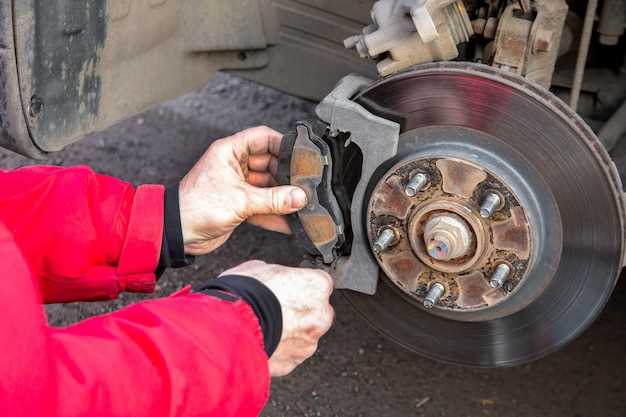
Bleeding the brakes on your BMW is a crucial maintenance task that ensures your vehicle’s braking system operates effectively. For DIY enthusiasts, understanding the process is key to maintaining your car’s safety and performance. Whether you’re experiencing a spongy brake pedal or you’ve recently replaced brake components, knowing how to properly bleed your BMW brakes can make a significant difference.
The process of bleeding brakes involves removing air bubbles from the brake lines, which can compromise braking efficiency. This guide provides step-by-step instructions tailored for BMW models, enabling you to tackle this DIY project with confidence. By understanding the tools and techniques required, you can achieve a safer driving experience without needing to visit a mechanic.
With the right approach, bleeding your BMW brakes at home becomes an achievable and rewarding task. This guide will outline the necessary tools, safety precautions, and detailed instructions to help you navigate the process smoothly. Let’s ensure that your BMW brakes are in top condition and ready to perform!
Gather Necessary Tools and Materials for Brake Bleeding
Before starting the DIY process of bleeding your BMW brakes, it is essential to have the right tools and materials at hand. This will ensure a smooth and efficient bleeding process.
First, you will need a brake bleeder kit, which typically includes a vacuum pump or a two-man brake bleeder tool. The vacuum pump allows you to remove air from the brake lines effectively, while the two-man method relies on a helper to pump the brake pedal.
Next, acquire a container to catch the brake fluid. This prevents any mess and allows for easy disposal of the fluid. Ensure that the container is transparent or has a clear section, allowing you to monitor the amount of fluid and air bubbles being expelled during the bleeding process.
You will also need to get a wrench, usually a 10mm or 8mm, depending on your BMW model, to open the bleeder valves. Make sure it fits snugly to avoid stripping the bleeder screws.
Don’t forget to stock up on brake fluid, as the procedure will require a sufficient amount to replace what is lost and ensure a proper bleed. Consult your vehicle’s manual for the correct type of brake fluid compatible with your BMW.
Additionally, having rubber gloves on hand is advisable, as brake fluid can be corrosive and harmful to your skin. It is also beneficial to have rags or paper towels nearby to wipe any spills immediately.
Finally, a service manual or a guide specifically for your BMW model may prove invaluable as a reference throughout the bleeding process. This helps ensure you follow the correct steps and procedures to achieve optimal results.
Step-by-Step Process for Bleeding BMW Brakes
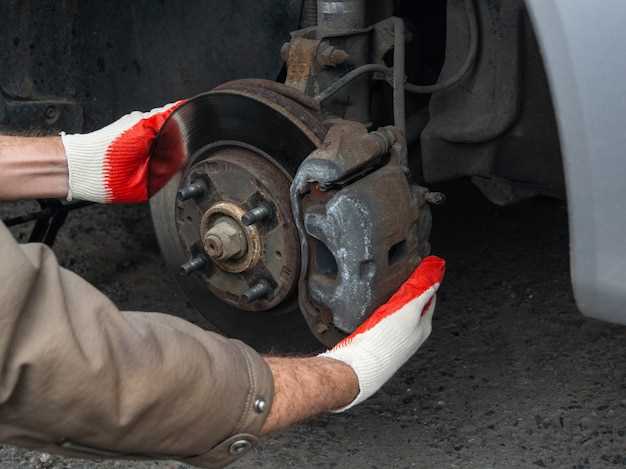
Bleeding the brakes on your BMW is essential for maintaining optimal braking performance. Here’s a detailed guide to help you through the process.
Step 1: Gather Your Tools
Before you start, ensure you have all necessary tools: a brake bleeder kit, a wrench that fits the bleeder screw, a clear tubing, and a container to catch old brake fluid. Make sure to have new brake fluid compatible with your BMW model.
Step 2: Prepare the Vehicle
Park your BMW on a flat surface and engage the parking brake. Remove the wheel covers or wheels to access the brake calipers. This allows easier access to the brake bleeder screws.
Step 3: Locate the Bleeder Screw
The bleeder screw is typically located on the top of each brake caliper. Clean any dirt around the screw to prevent contamination during the bleeding process.
Step 4: Add New Brake Fluid
Open the brake fluid reservoir located in the engine bay and add new brake fluid. This ensures that the system maintains pressure during the bleeding process.
Step 5: Begin Bleeding
Start with the wheel farthest from the brake fluid reservoir, usually the rear passenger side. Attach the clear tubing to the bleeder screw and place the other end in your container. Use the wrench to loosen the screw slightly.
Step 6: Pump the Brake Pedal
Have an assistant pump the brake pedal several times and hold it down. While the pedal is held, open the bleeder screw to let out old fluid and air bubbles. Close the screw before your assistant releases the pedal. Repeat this process until you see a steady stream of clear fluid without bubbles.
Step 7: Repeat for Each Wheel
Move to the next wheel in the sequence: rear driver, front passenger, and finally front driver. Follow the same procedure for each wheel, ensuring each caliper is bled thoroughly.
Step 8: Check Fluid Levels
Throughout the process, check the brake fluid reservoir and top it off as needed to avoid introducing air into the system.
Step 9: Test the Brakes
Once all wheels have been bled, press the brake pedal firmly. If it feels spongy, you may need to repeat the process. Ensure the pedal has a solid feel before driving.
Step 10: Clean Up
Properly dispose of the old brake fluid and clean any spills, as brake fluid can damage vehicle surfaces. Reinstall the wheels and lower the vehicle if applicable.
Following these steps will help you effectively bleed your BMW brakes, ensuring safe and responsive braking performance.
Troubleshooting Common Issues During Brake Bleeding
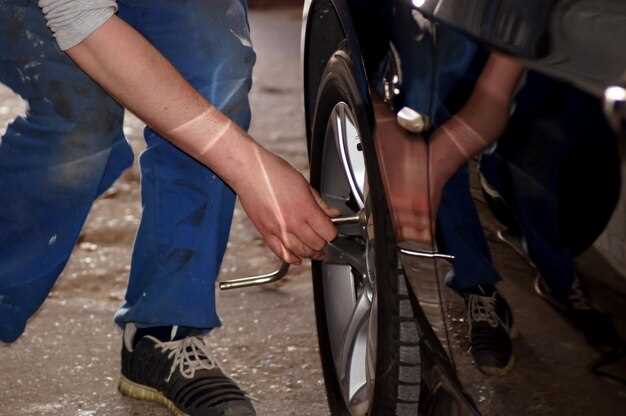
When bleeding the brakes on your BMW, several common issues may arise that can hinder the process. Understanding these problems can help you address them efficiently for optimal brake performance.
One of the most frequent issues encountered is the presence of air bubbles in the brake lines. If you notice a spongy brake pedal after bleeding, it’s likely that not all air has been removed. To resolve this, double-check your connections at the bleeder valve and ensure you have a steady flow of brake fluid during the process. Pumping the brake pedal steadily can help dislodge trapped air.
Another issue could be the condition of the brake fluid itself. If the fluid appears murky or contaminated, it might be time for a complete system flush rather than just bleeding the brakes. Old or dirty fluid can compromise braking efficiency and safety.
Additionally, a faulty master cylinder can lead to inconsistent brake pressure. If you suspect this is the issue, inspect the master cylinder for leaks or damage. Replacing a malfunctioning master cylinder can ensure a stronger and more reliable brake system.
Finally, ensure you are using the correct tool and technique for bleeding. A traditional two-person method, where one person pumps the brake pedal while the other opens and closes the bleeder valve, is generally effective. However, consider using a vacuum bleeder for a more efficient and less error-prone process.
By being aware of these common issues and their solutions, you can successfully bleed your BMW’s brakes at home, ensuring safety and performance on the road.


