



Maintaining the optimal performance of your BMW requires attention to various components, and one critical aspect is the transmission fluid. The transmission fluid is essential for ensuring smooth gear shifts and overall functionality of the vehicle’s transmission system. Whether you own a sporty coupe or a luxurious sedan, understanding how to check your BMW’s transmission fluid levels is crucial for its longevity and efficiency.
In this guide, we will walk you through the necessary steps to accurately check the transmission fluid levels in your BMW. Proper fluid levels not only help in preventing potential transmission issues but also enhance driving comfort and performance. Let’s explore the tools and techniques needed to keep your BMW’s transmission fluid in check.
Before diving into the checking process, it’s important to know the type of transmission fluid that your specific BMW model requires. Using the correct fluid ensures compatibility and optimal operation of the transmission system. With the right knowledge and careful attention, you can easily maintain your BMW’s transmission fluid levels and ensure a smooth driving experience for years to come.
Identifying the Right Transmission Fluid for Your BMW Model
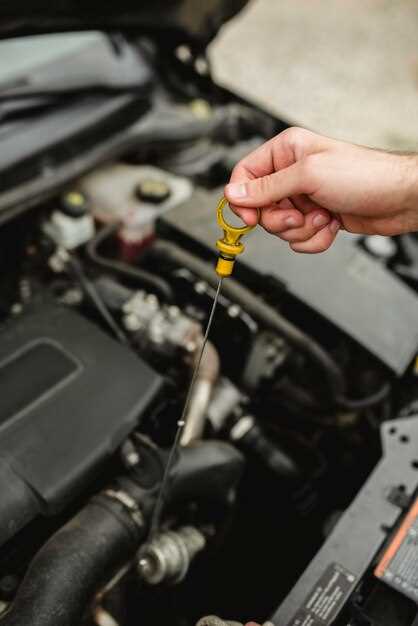
Choosing the correct transmission fluid for your BMW is essential to maintain optimal performance and longevity of the transmission system. Each BMW model may require a specific type of fluid, formulated to meet the unique demands of its transmission. Begin by consulting your owner’s manual, which provides detailed specifications about the recommended transmission fluid type, viscosity grade, and any necessary additives.
BMW typically uses proprietary transmission fluids for their vehicles, such as the BMW ATF (Automatic Transmission Fluid) or different variants like the BMW M Transmission Fluid. It is crucial to adhere to the specific fluid type indicated for your model, as using an incorrect fluid can lead to poor performance, increased wear, and potential transmission damage.
When checking the transmission fluid, not only should you ensure you have the correct type, but also evaluate its condition. The fluid should be clear and have a reddish hue, indicating that it is in good health. If the fluid appears dark, has a burnt smell, or contains particles, it may need to be replaced regardless of whether it meets the specifications.
In some cases, the transmission fluid must be filled through a dedicated filler plug rather than a dipstick, which is common in many newer BMW models. Familiarize yourself with the specific filling procedures for your vehicle to ensure an accurate fluid level check. Remember that always using the recommended transmission fluid will help keep your BMW running smoothly and efficiently.
Step-by-Step Process for Checking Transmission Fluid Levels
To ensure your BMW operates smoothly, it is essential to regularly check the transmission fluid levels. Proper fluid levels help maintain optimal performance and prevent potential issues.
Follow these steps to accurately check the transmission fluid levels in your BMW:
1. Prepare Your Vehicle: Park your BMW on a level surface and turn off the engine. Allow the vehicle to cool before beginning the check.
2. Locate the Transmission Dipstick: Open the hood and find the transmission dipstick, typically located near the back of the engine bay. Refer to your owner’s manual for precise location details.
3. Remove the Dipstick: Grasp the dipstick and pull it out carefully. Wipe it clean with a lint-free cloth to remove any fluid residue.
4. Reinsert the Dipstick: Insert the dipstick back into its tube fully, then remove it again to check the fluid levels accurately.
5. Check the Fluid Level: Observe the markings on the dipstick. The fluid should be between the “Full” and “Add” marks. If it’s below the “Add” mark, you will need to add fluid.
6. Inspect Fluid Condition: While checking the level, also examine the fluid’s color and consistency. Healthy transmission fluid should be red and clear. If it appears dark or has a burnt smell, it may require a change.
7. Add Transmission Fluid if Necessary: If the fluid level is low, use a funnel to add the appropriate transmission fluid as specified in your BMW’s owner manual. Avoid overfilling.
8. Recheck Levels: After adding fluid, wait a few minutes and recheck the levels with the dipstick to ensure proper measurement.
9. Replace the Dipstick: Once you have confirmed the correct fluid level, securely replace the dipstick.
Regularly checking your BMW’s transmission fluid levels is crucial for maintaining its health and ensuring a smooth driving experience.
Common Signs of Low Transmission Fluid and How to Address Them

Low transmission fluid levels can lead to serious issues in your BMW, affecting its performance and longevity. Recognizing the signs of inadequate fluid levels is crucial for maintaining optimal functionality.
1. Slipping Gears: One of the most noticeable symptoms is when the transmission seems to slip out of gear while driving. This can indicate that there isn’t enough fluid to maintain proper hydraulic pressure.
2. Unusual Noises: If you hear grinding or clunking sounds when shifting gears, it may suggest low transmission fluid. These noises often indicate that metal components are not properly lubricated.
3. Delay in Engagement: A common sign is a noticeable delay when shifting from park to drive or reverse. Insufficient fluid can cause sluggish responsiveness, making it essential to check fluid levels.
4. Warning Lights: Some BMW models are equipped with a transmission fluid indicator or warning light. If this light illuminates on your dashboard, it is important to address the fluid level immediately.
5. Fluid Leaks: If you notice bright red or brown fluid under your vehicle, it may be a sign of a transmission fluid leak. Regularly checking under your BMW for such leaks can help catch low fluid levels early.
To address low transmission fluid, first, check the fluid level using the dipstick. If it’s below the recommended level, add the appropriate BMW transmission fluid. Consult your owner’s manual for specifics on the type and procedure. If you find that the fluid continually depletes, it’s advisable to seek professional help to identify and fix any leaks or other issues within the transmission system.


